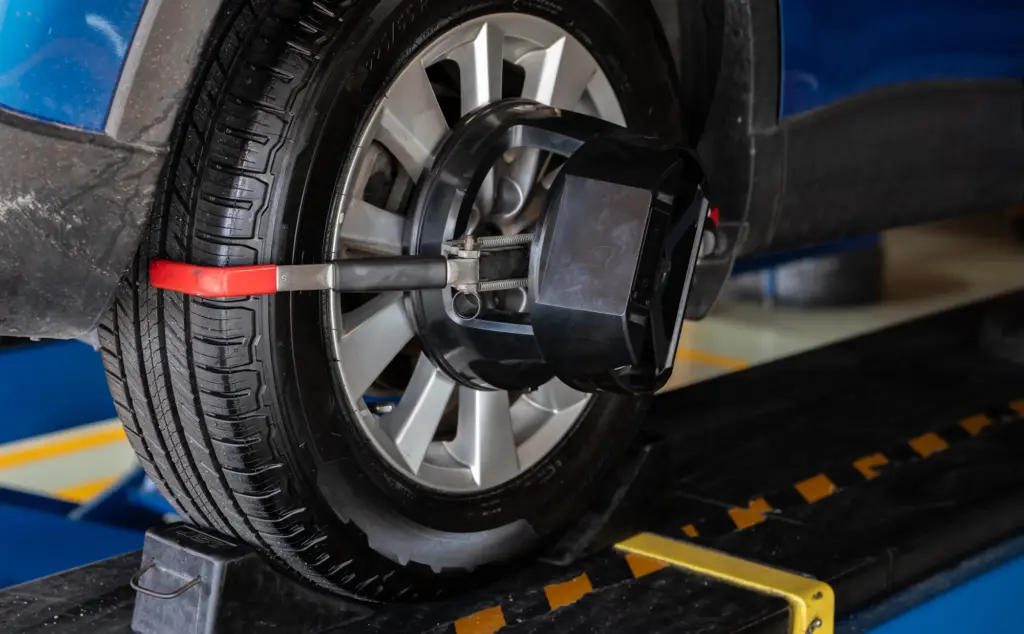

Common Cummins Engine Issues St. Cloud Truck Owners Face

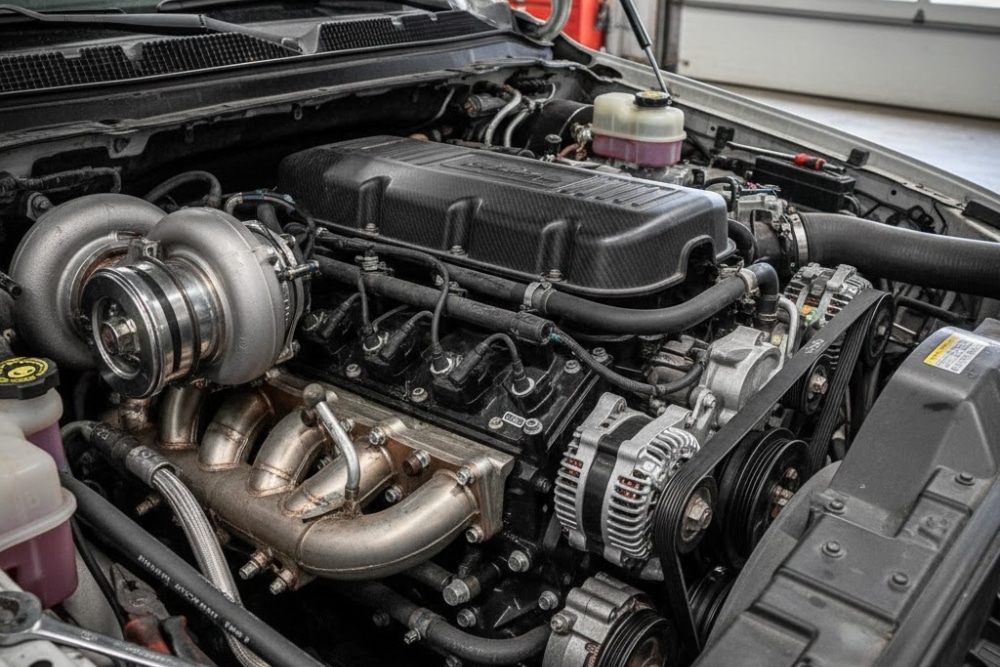
If you own a Cummins diesel truck in St. Cloud, Florida, understanding the warning signs of potential engine problems can save you thousands of dollars in repairs and prevent unexpected breakdowns. Cummins engines are renowned for their durability and performance, but like any diesel powerplant, they have specific issues that owners should monitor closely.
At FloState Auto Diesel Repair, our ASE master certified technicians have extensive experience diagnosing and repairing Cummins engines, and we’ve compiled this guide to help local truck owners recognize early warning signs before minor issues become major problems.
Florida’s climate and sandy conditions create unique challenges for diesel engines, making regular monitoring even more critical for Cummins truck owners in the St. Cloud area. Whether you’re using your truck for work, towing, or daily driving around Lake Nona and surrounding communities, staying alert to these common issues will help ensure your Cummins engine delivers the reliable performance you expect.
Understanding Your Cummins Engine’s Unique Characteristics
Why Cummins Engines Are Different
Cummins diesel engines are built for longevity and power, but they operate differently from gasoline engines. They generate significantly more torque at lower RPMs and run at higher compression ratios. This creates specific maintenance needs and potential failure points that owners should understand.
The design characteristics that make Cummins engines so reliable also make them sensitive to certain types of problems. Regular monitoring helps catch issues early when repairs are still manageable and affordable.
Florida-Specific Environmental Challenges
Operating in St. Cloud’s climate presents unique challenges for diesel engines:
- High Humidity Effects: Can accelerate corrosion in cooling systems and fuel contamination
- Temperature Fluctuations: Stress engine components through constant expansion and contraction
- Sandy Conditions: Contaminate air and fuel filters more quickly than in other regions
- Extended Idling: Common in Florida traffic, can lead to carbon buildup and incomplete combustion
Understanding these local factors helps Cummins owners stay ahead of potential problems before they require extensive diesel repair services.
Fuel System Problems That Plague Cummins Engines
Fuel Injector Issues and Warning Signs
Cummins fuel injectors are precision components that can fail due to contaminated fuel or normal wear. These components operate under extreme pressure and require clean fuel to function properly.
Early Warning Signs:
- Black smoke from the exhaust during acceleration
- Rough idling or engine misfires at startup
- Decreased fuel economy over time
- Hard starting, especially when cold
Common Causes:
- Poor fuel quality or contaminated diesel
- Extended periods between fuel filter changes
- Water in the fuel system from humidity
High-Pressure Fuel Pump Failures
The high-pressure fuel pump is critical for proper injection timing and pressure. When this component begins to fail, it affects the entire fuel delivery system.
Symptoms to Watch For:
- Loss of power during acceleration or under load
- Engine stalling at idle or low RPM
- Metallic knocking sounds from the engine bay
- Fuel contamination in the engine oil
Prevention Tips:
- Use high-quality diesel fuel from reputable stations
- Replace fuel filters according to manufacturer schedules
- Monitor fuel pressure during regular maintenance
Fuel Filter Contamination Challenges
Florida’s humidity can introduce water into fuel systems, making regular filter changes crucial for engine longevity.
Warning Signs:
- Engine hesitation during acceleration
- Difficulty starting after sitting overnight
- Visible water separation in fuel filters
- Reduced engine performance under load
At FloState Auto Diesel Repair, our diesel mechanics use manufacturer software and advanced diagnostics to pinpoint fuel system issues quickly, ensuring accurate repairs that restore your truck’s performance.
Cooling System Challenges in Florida’s Climate
Radiator and Heat Exchanger Problems
St. Cloud’s hot summers put extra stress on cooling systems, leading to accelerated wear and potential failures. The constant heat creates unique challenges for Cummins owners.
Common Issues:
- Overheating: During heavy loads or towing in summer heat
- Coolant Leaks: Around radiator connections and hose clamps
- Corrosion: Heat exchanger cores deteriorate faster in humid conditions
- Blockages: Clogged cooling passages from debris and mineral deposits
Preventative Measures:
- Regular coolant system flushes using proper coolant mixtures
- Visual inspections of hoses and connections monthly
- Cleaning radiator fins to remove debris and improve airflow
Water Pump Failures and Early Detection
Cummins water pumps typically show warning signs before complete failure, giving owners time to address issues proactively.
Early Warning Signs:
- Coolant puddles under the truck after parking
- Engine temperature fluctuations during normal driving
- Steam or coolant vapor from the engine bay
- Grinding noises from the front of the engine
Risk Factors:
- Extended high-temperature operation
- Contaminated coolant systems
- Worn drive belts causing pump bearing stress
Thermostat Malfunctions in Hot Weather
A faulty thermostat can cause serious engine damage in Florida’s heat, making proper operation critical for engine protection.
Failure Symptoms:
- Engine running too cool (below 180°F operating temperature)
- Overheating in stop-and-go traffic conditions
- Inconsistent cabin heating during winter months
- White smoke from the exhaust indicating coolant burning
Turbocharger and Air System Issues
Turbocharger Bearing Wear
Cummins turbochargers work exceptionally hard in hot climates, and bearing wear becomes a common concern for Florida truck owners.
Warning Signs:
- Exhaust Smoke: Blue or white smoke indicating oil consumption
- Unusual Sounds: Whining or whistling during acceleration
- Performance Loss: Reduced boost pressure and power output
- Oil Consumption: Noticeable increases between oil changes
Contributing Factors:
- Frequent high-load operation in hot weather
- Inadequate oil change intervals
- Poor oil quality or contamination
Intercooler System Problems
The intercooler cools compressed air before it enters the engine, and problems here affect overall performance significantly.
Common Symptoms:
- Reduced power output during acceleration
- Black smoke during heavy acceleration
- Hissing sounds from the engine bay indicating air leaks
- Oil residue around intercooler connections
Maintenance Tips:
- Regular visual inspections of intercooler piping
- Cleaning intercooler cores to remove debris
- Checking clamp tightness on all connections
Air Filter Restrictions from Local Conditions
Sandy conditions around St. Cloud can clog air filters more quickly than in other regions, affecting engine performance.
Performance Indicators:
- Decreased fuel economy over time
- Sluggish acceleration response
- Dark exhaust smoke during acceleration
- Engine hesitation under load conditions
Recommended Service:
- More frequent air filter inspections than manufacturer recommendations
- Using high-quality filters designed for dusty conditions
- Regular housing cleaning to prevent contamination
Ready to address Cummins engine concerns before they become major problems? Visit FloState Auto Diesel Repair at 1396 Hamlin Avenue, St. Cloud, FL 34771, or call us at (407) 498-4204 to schedule your comprehensive diesel inspection today.
Electrical System Complications
Alternator and Charging Issues
Cummins trucks rely heavily on electrical systems for proper operation, making alternator health absolutely critical for reliable performance.
Warning Signs:
- Dim headlights or interior lighting during operation
- Battery warning lights appearing on the dashboard
- Difficulty starting after short trips or overnight parking
- Electrical accessories functioning intermittently
Common Causes:
- Heat stress from Florida’s climate
- Vibration from diesel engine operation
- Corrosion from humidity exposure
Sensor Failures in Modern Cummins Engines
Modern Cummins engines use numerous sensors that can fail due to heat, vibration, or electrical issues.
Typical Problems:
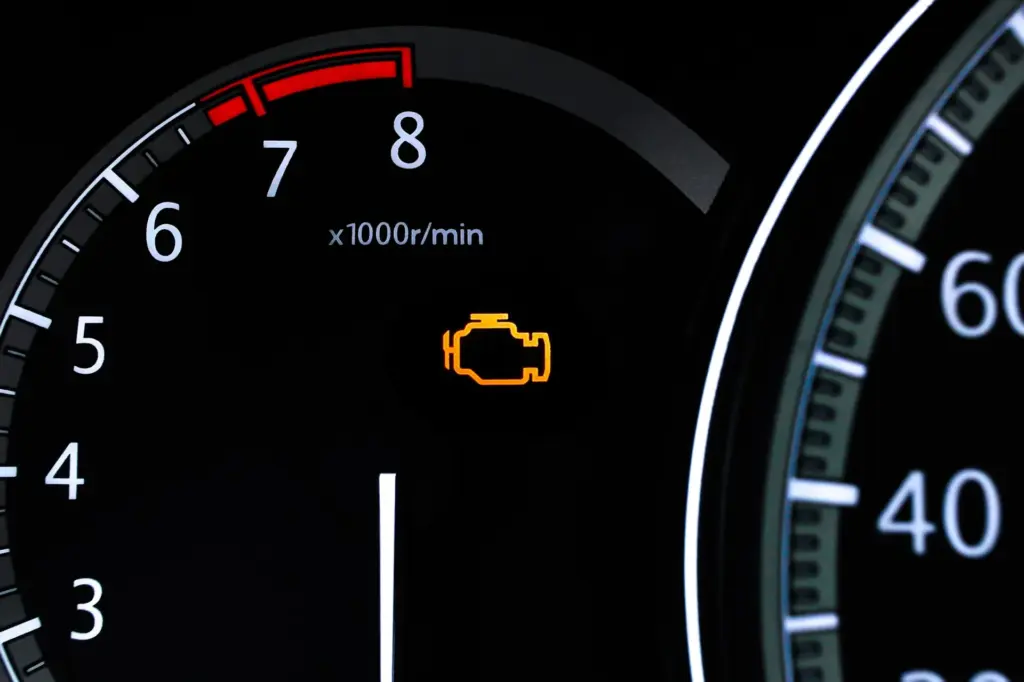
- Check engine lights without obvious mechanical issues
- Erratic idle speed or RPM fluctuations
- Poor fuel economy despite proper maintenance
- Transmission shifting problems related to engine communication
Diagnostic Approach:
- Professional scan tool analysis using manufacturer software
- Visual inspection of sensor connections and wiring
- Testing sensor output values against specifications
Wiring Harness Deterioration
Florida’s heat and humidity can damage wiring over time, creating intermittent electrical problems that are difficult to diagnose.
Common Symptoms:
- Intermittent electrical problems that come and go
- Corrosion around electrical connections and terminals
- Blown fuses without obvious cause or overload
- Communication errors between engine control modules
Transmission Integration Problems
Transmission Cooler Issues
Cummins engines work closely with automatic transmissions, and cooling problems affect both systems simultaneously.
Warning Signs:
- Transmission overheating warnings on the dashboard
- Harsh or delayed shifting between gears
- Burnt transmission fluid smell after driving
- Reduced towing capacity during hot weather
Preventive Maintenance:
- Regular transmission fluid changes using proper specifications
- Cooler line inspections for leaks or damage
- External cooler cleaning to maintain proper heat transfer
Torque Converter Problems
High torque output from Cummins engines can stress torque converters beyond their design limits over time.
Failure Symptoms:
- Shuddering during acceleration from a stop
- Transmission slipping between gears under load
- Metallic particles visible in transmission fluid
- Overheating during heavy loads or towing
Risk Factors:
- Frequent heavy towing or hauling
- High mileage without proper maintenance
- Overheating episodes that damage internal components
Emission System Challenges
Diesel Particulate Filter (DPF) Issues
Modern Cummins engines include emission controls that require proper operation and maintenance to avoid expensive repairs.
Common Problems:
- Frequent regeneration cycles that interrupt driving
- Reduced power warnings during regeneration attempts
- Black smoke during active regeneration cycles
- Check engine lights specifically related to DPF operation
Maintenance Requirements:
- Highway driving to allow proper regeneration
- Using low-ash engine oil specifications
- Regular DPF cleaning or replacement as needed
Selective Catalytic Reduction (SCR) Problems
The SCR system reduces emissions but can develop issues that affect performance and require professional attention.
Warning Signs:
- DEF (diesel exhaust fluid) consumption changes significantly
- Poor fuel economy despite proper maintenance
- Reduced engine power during normal operation
- Warning messages about emission systems on dashboard
System Care:
- Using only DEF that meets ISO specifications
- Keeping DEF tank clean and contamination-free
- Regular system inspections during maintenance
Preventive Maintenance for Cummins Longevity
Regular Service Intervals
Following manufacturer recommendations prevents many common issues and extends engine life significantly.
Essential Services:
- Oil Changes: Every 5,000-7,000 miles, depending on driving conditions, using manufacturer-specified diesel oil
- Fuel Filters: Replacement every 20,000 miles or as conditions require
- Air Filters: Inspection every 15,000 miles with replacement as needed
- Coolant Service: Complete system service every 100,000 miles
Service Documentation:
- Maintaining detailed records for warranty protection
- Tracking service intervals based on actual operating conditions
- Using quality parts that meet or exceed manufacturer specifications
Florida-Specific Maintenance Adjustments
Local conditions require additional attention beyond standard manufacturer recommendations.
Environmental Considerations:
- Air Filters: More frequent changes due to sandy, dusty conditions
- Cooling Systems: Regular inspections during peak summer months
- Fuel Treatments: Periodic use to prevent water contamination issues
- Electrical Connections: Annual cleaning to prevent corrosion damage
Seasonal Preparations:
- Pre-summer cooling system inspections
- Hurricane season fuel system preparations
- Winter DEF system freeze protection
FAQs
How often should I service my Cummins engine in Florida’s climate?
Cummins engines in Florida should receive oil changes every 5,000-7,000 miles due to demanding climate conditions and severe service factors like towing, stop-and-go traffic, and dusty environments. However, severe service conditions like frequent towing, stop-and-go traffic, or dusty environments may require more frequent maintenance intervals to ensure optimal performance.
What are the most serious Cummins engine problems that require immediate attention?
The most serious Cummins issues include complete loss of power, severe overheating, metal shavings in oil, and white smoke indicating coolant burning. These problems can cause catastrophic engine damage if ignored, making immediate professional diagnosis essential to prevent complete engine failure and protect your investment.
Can I continue driving my Cummins truck with a check engine light?
While some check engine light issues aren’t immediately dangerous, continuing to drive without diagnosis can lead to catastrophic engine damage. Modern Cummins engines have sophisticated monitoring systems that detect problems early, so prompt professional diagnosis is essential for protection.
How do I know if my Cummins needs professional diesel repair versus simple maintenance?
Professional repair is needed when you experience power loss, unusual noises, excessive smoke, overheating, or persistent warning lights. Routine maintenance includes oil changes, filter replacements, and fluid checks, while repair addresses specific component failures or performance issues requiring expertise.
Schedule Your Cummins Truck Repair in St. Cloud Today
Don’t wait for minor Cummins engine issues to become major problems that leave you stranded on Florida roads. At FloState Auto Diesel Repair, our experienced diesel mechanics specialize in Cummins repair and understand the unique challenges facing truck owners in Central Florida.
We use manufacturer software, advanced diagnostic equipment, and provide transparent pricing with our 24-month/24,000-mile warranty on all repairs. We will honor the specifics of your manufacturer’s warranty and stand behind our work with confidence. Our team stays current with the latest Cummins technology and diagnostic procedures to ensure accurate, efficient service.
Visit us at 1396 Hamlin Avenue, St. Cloud, FL 34771, or call (407) 498-4204 to schedule your comprehensive Cummins inspection and keep your truck running strong for years to come. We also proudly serve customers throughout Lake Nona and surrounding Florida communities.