
Oil Change Service in St. Cloud: Synthetic vs. Conventional (What You Need to Know)

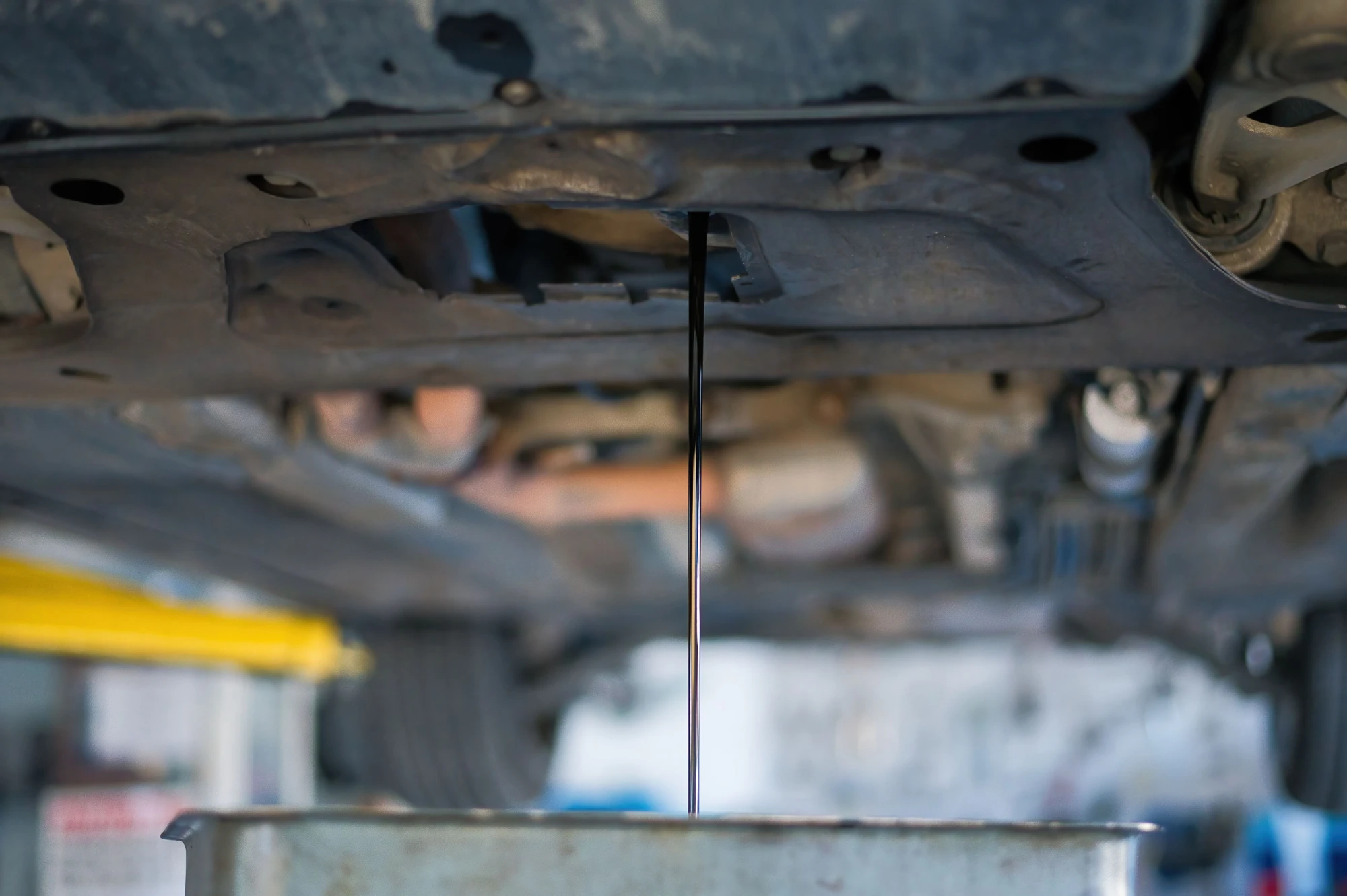
Engine oil is the absolute lifeblood of your vehicle. It is responsible for lubricating moving parts, reducing internal friction, preventing rust, and helping to draw intense heat away from the combustion chamber. Despite how critical this fluid is, many drivers put off replacing it until their dashboard maintenance light has been glaring at them for weeks. Furthermore, when they finally do schedule an oil change service in St. Cloud, they are often confused by the options available to them.
When you pull into a service bay, you are typically asked to choose between conventional, synthetic blend, or full synthetic motor oil. Making the wrong choice to save a few dollars today can drastically reduce the lifespan of your engine tomorrow. At FloState Auto Diesel Repair, we believe in educating our customers so they can make the best decisions for their automotive investments. Here is a comprehensive breakdown of the different types of motor oil, how the brutal Florida heat affects them, and what your specific vehicle actually needs.
Why Engine Oil Quality Matters in Central Florida
Driving in St. Cloud, Kissimmee, and Orlando presents a unique set of challenges for your vehicle’s engine. We deal with daily traffic jams on I-4, massive temperature spikes during the summer, and high humidity levels year-round. According to automotive experts at Kelley Blue Book (KBB), extreme temperatures are the number one cause of thermal breakdown in engine oil.
When motor oil breaks down, it loses its viscosity (its thickness and ability to flow). Instead of providing a slick, protective barrier between the rapidly moving metal pistons and cylinder walls, degraded oil turns into a thick, sticky sludge. This sludge blocks the narrow oil passages inside your engine, starving critical components of lubrication. The result is accelerated wear, overheating, and eventually, complete engine failure.
Conventional Motor Oil: The Traditional Choice
Conventional motor oil is derived directly from refined crude oil. It has been the standard in the automotive industry for decades and is typically the most affordable option available.
While conventional oil provides adequate protection for many older vehicles, its molecular structure is inconsistent. Because it is a natural product, the oil molecules vary in size, and it contains impurities that cannot be completely refined out. Under the extreme heat of a Central Florida summer, conventional oil breaks down and vaporizes much faster than its synthetic counterparts. If you drive an older, low-mileage vehicle with a simple engine design, conventional oil might be sufficient, provided you adhere strictly to a 3,000-mile preventative maintenance schedule.
Full Synthetic Oil: The Ultimate Engine Protection
Full synthetic motor oil is artificially engineered in a laboratory setting. This process allows chemists to create oil molecules that are perfectly uniform in size and shape, completely free from the natural impurities found in crude oil.
The benefits of full synthetic oil are undeniable:
- Superior High-Temperature Resistance: Synthetic oil is highly resistant to thermal breakdown, meaning it will not turn into sludge during a hot Florida summer or while you are idling in heavy traffic.
- Better Cold Start Protection: Even though it doesn’t freeze in Florida, engines still experience “cold starts” every morning. Synthetic oil flows instantly when you turn the key, providing immediate lubrication to the top of the engine.
- Extended Drain Intervals: While conventional oil needs replacing every 3,000 miles, high-quality synthetic oils can safely protect your engine for 5,000 to 7,500 miles, depending on your driving habits.
If you drive a modern vehicle with a turbocharged engine or require specialized European auto repair for brands like BMW, Mercedes, or Audi, full synthetic oil is not just recommended—it is strictly required by the manufacturer.
Heavy-Duty Requirements for Diesel Engines
If you rely on a heavy-duty truck for work or towing, your oil requirements are entirely different from a standard commuter car. Diesel engines generate significantly more soot, blow-by, and internal pressure than gasoline engines.
Standard motor oil simply cannot handle the sheer amount of contamination produced by a Duramax, Cummins, or Power Stroke engine. Diesel-specific oils contain a highly robust additive package featuring extra detergents and dispersants designed to suspend soot particles and prevent them from clumping together. Whether your fleet requires a premium synthetic diesel blend or a heavy-duty conventional viscosity, our technicians specialize in comprehensive diesel repair in St. Cloud and will ensure your truck receives the exact lubrication it needs to stay on the road.
The FloState Auto Diesel Repair Difference
When you visit a generic quick-lube chain, your car is usually rushed in and out by entry-level technicians. At FloState Auto Diesel Repair, our ASE Master Certified technicians treat every oil change service as a comprehensive health check for your vehicle. We do not just drain the oil and replace the filter; we perform a multi-point inspection, check your vital fluids, inspect your belts and hoses, and verify your tire pressure.
Do not let degraded, sludgy oil ruin your engine. Click here to schedule your appointment or call us directly at (407) 498-4204 to book your next service today!