

When your brakes start making noise or your steering wheel shakes during stopping, you’re likely dealing with either warped brake rotors or brake pad issues. At FloState Auto Diesel Repair in St. Cloud, we help vehicle owners understand the difference between these two common brake problems so you can address them quickly and safely. Warped brake rotors typically cause vibration and pulsing in the brake pedal, while brake pad issues often produce squealing or grinding sounds. Understanding these symptoms helps you communicate effectively with your mechanic and ensures you get the right repair for your situation.
Common Signs Your Brake Rotors Are Warped
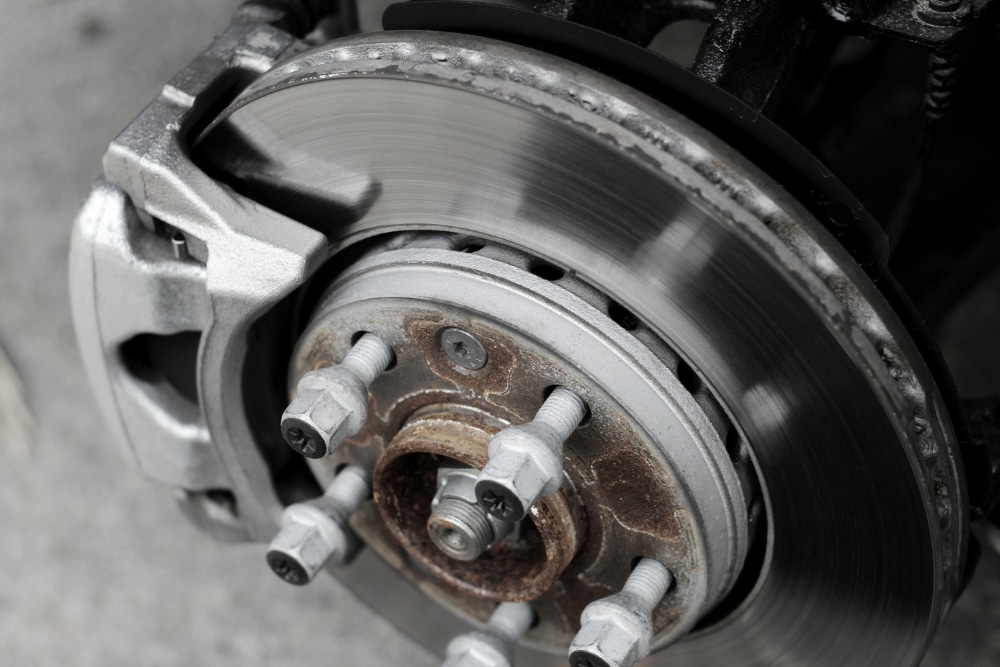
Warped brake rotors create distinct symptoms that differ from worn brake pads. When rotors lose their flat, smooth surface due to heat damage or uneven wear, you’ll notice specific warning signs while driving around St. Cloud and Lake Nona:
- Vibration or pulsing in the brake pedal – This is the most recognizable symptom. The uneven rotor surface creates inconsistent contact with the brake pads, causing a pulsing sensation when you apply pressure. You might also feel this vibration through the steering wheel, especially during highway speeds or when braking from higher velocities.
- Wobbling steering wheel when slowing down – The steering wheel may shake side to side as the warped rotor causes the brake caliper to push unevenly. This symptom becomes more pronounced the faster you’re traveling before applying the brakes.
- Increased stopping distance or reduced brake response – Warped rotors can compromise your vehicle’s overall braking effectiveness, requiring more time and distance to come to a complete stop.
If you experience any of these vibration-related symptoms, your rotors likely need professional inspection. Our ASE master-certified technicians at FloState Auto Diesel Repair use precision measuring tools to assess rotor condition and determine the best course of action.
How Do Brake Rotors Get Warped?
Understanding how brake rotors get warped helps you prevent future problems and extend the life of your braking system. Several factors contribute to rotor warping, and St. Cloud drivers face some unique challenges.
Excessive Heat Buildup
The primary cause of warped brake rotors is extreme heat. When you brake, friction between the pads and rotors generates tremendous heat. Under normal conditions, rotors dissipate this heat effectively. However, aggressive driving, frequent hard braking, or driving in stop-and-go traffic can overwhelm the rotor’s cooling capacity. This excessive heat causes the metal to expand unevenly, creating warpage.
Improper Installation or Torque
Incorrect installation contributes significantly to rotor problems. When wheels are installed with improper torque specifications or in the wrong sequence, uneven pressure develops on the rotor surface. This creates stress points that lead to warping over time. Professional installation with calibrated torque wrenches prevents this issue.
Cooling Rotors Too Quickly
Driving through puddles immediately after heavy braking or washing your vehicle when the brakes are hot causes rapid temperature changes. This thermal shock can warp rotors by creating uneven contraction of the metal. While unavoidable in Florida’s frequent afternoon rain, being aware of this helps you drive more cautiously after encountering water.
Rotor Quality and Age
Lower-quality rotors or those that have reached the end of their service life are more susceptible to warping. Rotors naturally wear thinner over time, reducing their ability to handle heat. At FloState Auto Diesel Repair, we replace rotors rather than resurfacing them, ensuring your brake system gets components that meet manufacturer specifications.
Recognizing Brake Pad Issues in St. Cloud
Brake pad problems present differently than warped brake rotors, though both require prompt attention. Knowing these signs helps you identify the specific issue affecting your vehicle’s braking performance:
- Squealing or squeaking noises – Most brake pads include a small metal indicator that contacts the rotor when the pad material wears down to a critical level. This creates a high-pitched sound designed to alert you before the pads fail completely.
- Grinding sounds – This indicates a more serious problem. When brake pads wear completely through their friction material, the metal backing plate contacts the rotor directly. This metal-on-metal contact damages both components and requires immediate attention to maintain safe braking.
- Vehicle pulling to one side during braking – This often signals uneven brake pad wear. When one brake pad wears faster than its counterpart, it creates imbalanced braking force. This condition can stem from stuck caliper pistons, contaminated brake pads, or suspension problems.
- Reduced braking performance or low brake pedal – A brake pedal that travels closer to the floor suggests severely worn brake pads. As pads thin, the caliper pistons must extend further to create the same clamping force, resulting in a lower, softer pedal feel.
If you notice any of these symptoms while driving in the St. Cloud area, schedule a brake inspection at 1396 Hamlin Avenue, St. Cloud, FL 34771, or call us at (407) 498-4204. Our team provides thorough evaluations to identify exactly what your brake system needs.
The Difference Between Rotor and Pad Symptoms
While both warped brake rotors and brake pad issues affect your vehicle’s stopping ability, they produce distinct sensations that help diagnose the problem. Here’s a quick comparison:
| Symptom Type | Warped Brake Rotors | Brake Pad Issues |
|---|---|---|
| Primary Warning Sign | Physical vibrations through brake pedal, steering wheel, or entire vehicle | Audible warnings like squealing, squeaking, or grinding sounds |
| When It Occurs | Most noticeable during moderate to heavy braking from higher speeds (exiting Florida Turnpike, slowing on US-192) | Occurs consistently regardless of speed or braking force (may temporarily disappear when wet) |
| Pedal Feel | Pulsing or pumping sensation as pedal moves slightly with each rotor revolution | Softer, spongier pedal that requires more travel to achieve stopping power |
| What You Feel vs Hear | Vibration you feel | Noise you hear |
Understanding these differences allows you to provide accurate information when scheduling your appointment, helping our service advisors prepare for your specific needs.
Why Professional Brake Inspection Matters
Many drivers attempt to diagnose brake problems themselves, but professional inspection reveals what visual assessment cannot. Our technicians use specialized equipment to measure rotor thickness, check for lateral runout, and assess remaining pad material with precision down to thousandths of an inch.
A comprehensive brake inspection examines:
- Brake fluid condition
- Caliper operation
- Brake line integrity
- Hardware condition
These components work as a system, and problems in one area often affect others. For example, a sticking caliper causes uneven pad wear and rotor damage through excessive heat buildup.
Every vehicle at FloState Auto Diesel Repair receives a courtesy inspection, helping identify developing problems before they become safety hazards or costly repairs.
What Happens During Brake Repair at Our St. Cloud Shop
When you bring your vehicle in for brake concerns, we follow a systematic process to ensure accurate diagnosis and complete repair. Understanding our approach helps you know what to expect during your visit.
Your Initial Visit
Our service advisors greet you and discuss the symptoms you’ve experienced, including when they occur and how long you’ve noticed them. This conversation provides valuable diagnostic clues. We then inspect your vehicle, placing floor mats and seat covers to protect your interior.
Comprehensive Brake System Evaluation
Your vehicle undergoes a thorough brake system evaluation on our lift. Our technicians:
- Measure rotor thickness and check for warping using precision gauges
- Assess brake pad thickness and remaining friction material
- Inspect caliper operation for proper function
- Check brake fluid level and condition
- Examine brake lines and hardware for wear or damage
Transparent Diagnosis and Recommendations
After diagnosis, we provide a detailed explanation of findings with clear recommendations. We discuss which components need immediate attention and which might require service in the future. Our transparent approach ensures you understand exactly what your vehicle needs and why.
Quality Brake Repair Process
For brake repairs, we follow these practices:
- Replace rotors rather than resurfacing them – This ensures your brake system receives components that meet manufacturer specifications for thickness and performance
- Use quality replacement parts – We source components that match or exceed OEM standards
- Follow proper torque procedures – Correct installation prevents future warping and uneven wear
- Test drive verification – After repairs, we test drive your vehicle to verify proper brake operation and ensure all symptoms have been resolved
We will honor the specifics of your manufacturer’s warranty, and our work carries a 24-month/24,000-mile warranty for your peace of mind.
Preventing Future Brake Rotor and Pad Problems
While brake components naturally wear over time, several practices help extend their service life and prevent premature failure.
- Avoid aggressive braking whenever possible. Anticipating stops and applying gradual brake pressure reduces heat buildup that contributes to rotor warping. This driving style also extends brake pad life by distributing wear more evenly.
- Follow recommended maintenance intervals for brake inspections. Regular checks catch developing problems before they become serious. Our team can identify thin brake pads or early signs of rotor damage during routine service visits.
- Use appropriate brake components for your driving conditions. If you frequently tow trailers, drive in mountainous areas, or operate a heavy-duty diesel truck, upgraded brake components may provide better performance and longevity. Our technicians can recommend appropriate options for your specific needs.
- Address brake problems promptly when symptoms appear. Ignoring squealing brake pads or vibration symptoms allows minor issues to cause additional damage. Worn pads that aren’t replaced can damage rotors, turning a simple pad replacement into a more expensive repair.
- Maintain your complete brake system, including brake fluid changes according to manufacturer recommendations. Contaminated or degraded brake fluid affects hydraulic pressure and can contribute to caliper problems that cause uneven brake wear.
FAQs About Warped Brake Rotors and Brake Pad Issues
How can you tell if your rotors are warped?
Warped rotors cause vibration or pulsing in the brake pedal and steering wheel when you apply the brakes, especially at highway speeds. You may also notice a wobbling sensation or uneven braking performance that worsens with speed.
Can warped rotors fix themselves?
No, warped rotors cannot fix themselves and will only worsen over time. The metal deformation is permanent and requires rotor replacement to restore smooth, safe braking performance.
What does a bad brake pad sound like?
Bad brake pads typically produce squealing or squeaking sounds when the wear indicator contacts the rotor. Severely worn pads create grinding noises as metal backing plates scrape against the rotor surface.
How long can you drive with warped rotors?
While you can technically drive with warped rotors, you should schedule immediate repair to prevent further damage and maintain safe braking. Continued driving accelerates rotor and pad wear while reducing your vehicle’s stopping ability.
Schedule Your Brake Inspection at FloState Auto Diesel Repair in St. Cloud Today!
Don’t ignore warning signs of warped brake rotors or brake pad issues. Your vehicle’s braking system is critical for your safety and the safety of others on the road. Whether you’re experiencing vibration, hearing unusual noises, or noticing changes in brake pedal feel, our team stands ready to diagnose and repair your brake system.
Visit FloState Auto Diesel Repair at 1396 Hamlin Avenue, St. Cloud, FL 34771, or call us at (407) 498-4204 to schedule your brake inspection. Our ASE master-certified technicians serve St. Cloud, Lake Nona, and surrounding communities, including zip codes 34771, 34772, and 32832. We provide the expertise, equipment, and quality service your vehicle deserves. Our comfortable customer lounge features free WiFi, refreshments, and a kids’ area while you wait. Schedule your appointment today and drive with confidence knowing your brakes are in expert hands.