
Auto Electrical Repair in St. Cloud: Is It a Dead Battery or a Failing Alternator?

There is nothing quite as frustrating as stepping out of your house on a sweltering August morning, sliding into your vehicle, turning the key, and hearing nothing but a hollow click. In an instant, your daily commute, school drop-offs, and work schedule are completely derailed. To this auto electrical repair is the solution.
When a vehicle refuses to start, most drivers immediately assume the battery is dead. While that is frequently the case, the actual culprit could be a failing alternator or a bad starter. Understanding the difference between these components can save you from buying parts you do not need.
If you find yourself stranded, FloState Auto Diesel Repair is here to help. Here is our comprehensive guide to troubleshooting your starting issues and understanding when it is time to seek professional auto electrical repair in St. Cloud.
The Brutal Florida Heat vs. Your Electrical System
People often associate dead car batteries with freezing winter weather, but extreme heat is actually much more destructive. Here in Central Florida, the high temperatures under your hood cause the liquid electrolyte inside your car battery to evaporate. This process accelerates internal corrosion and significantly shortens the lifespan of the battery.
According to the automotive experts at AAA, while a standard car battery might last up to five years in cooler climates, drivers in extremely hot regions like Florida should expect a lifespan of only around three years. Because heat does so much hidden damage, a battery can perform perfectly one day and fail completely the next.
Signs You Have a Dead or Dying Battery
Your battery’s primary job is to provide the massive jolt of electricity required to start the engine. Once the engine is running, the alternator takes over. If your battery is the source of your problem, you will likely notice the following symptoms:
- The “Clicking” Sound: When you turn the key, you hear a rapid clicking noise. This means the starter is trying to engage, but there is simply not enough electrical current coming from the battery to turn the engine over.
- Dim Dashboard Lights: When you put the key in the ignition, the dashboard lights and radio might turn on, but they look noticeably dimmer than usual.
- A Successful Jumpstart: If you hook up jumper cables, start the car, and it continues to run perfectly fine after the cables are removed, your alternator is doing its job. The battery was just too weak to start the car on its own.
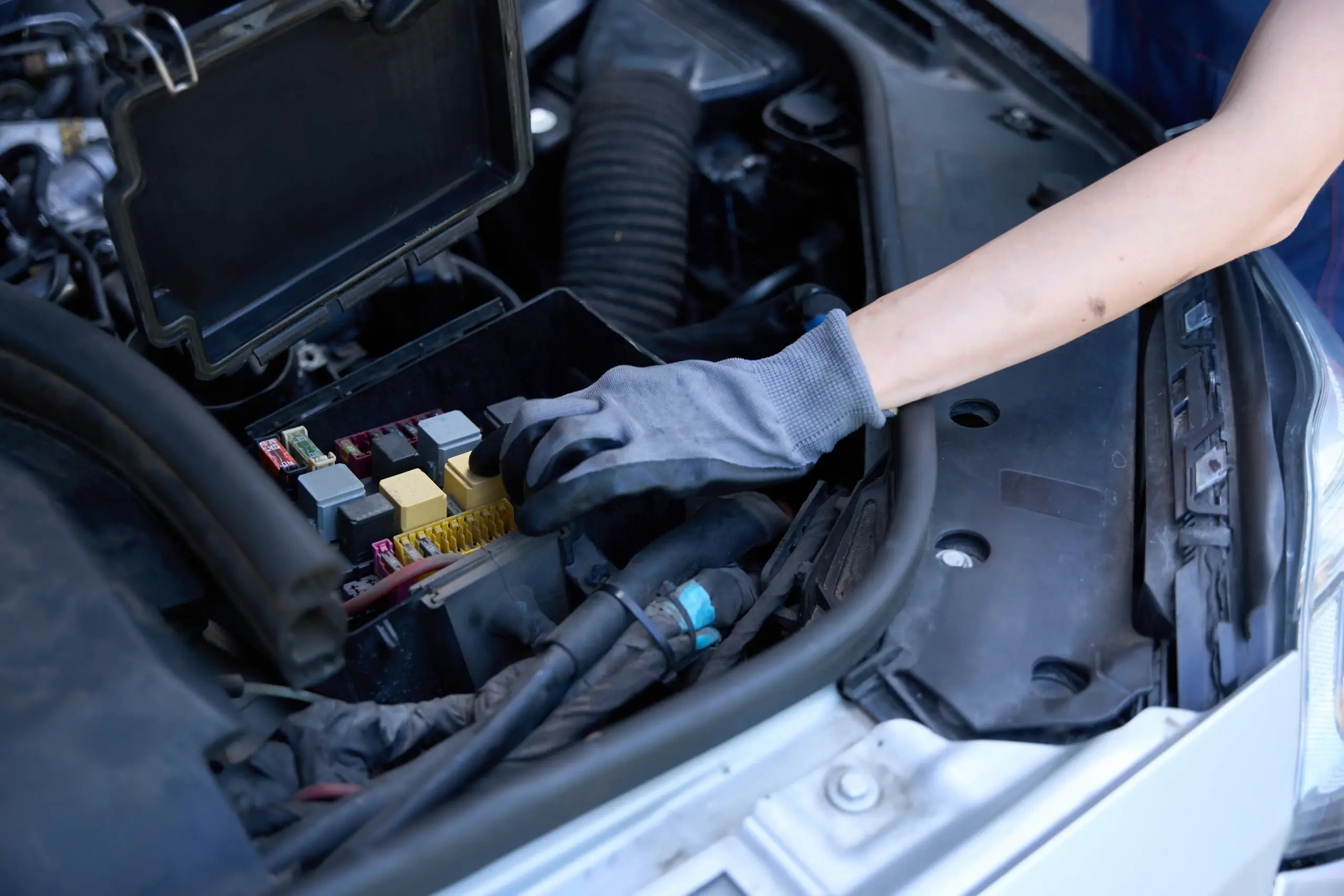
- Corrosion on the Terminals: Pop the hood and look at the battery. If you see a crusty, blue or white powdery substance around the metal terminals, that corrosion is blocking the electrical connection.
Signs You Have a Failing Alternator
While the battery starts the car, the alternator keeps it running. The alternator generates electricity to power your headlights, radio, and A/C, while simultaneously recharging the battery. If the alternator fails, your car will quickly drain whatever juice is left in the battery and then die. Look out for these warning signs:
- The Car Dies After a Jumpstart: If you jumpstart the vehicle, but the engine stalls out shortly after removing the jumper cables, the alternator is not generating enough power to keep the spark plugs firing.
- Fluctuating Headlights: If you are driving at night and notice your headlights dimming when you slow down and getting brighter when you accelerate, your alternator is struggling to provide a consistent electrical current.
- Strange Noises or Smells: A failing alternator can produce a whining or growling noise due to worn-out internal bearings. Additionally, if the alternator belt is seizing or slipping, you might smell burning rubber.
- Random Electrical Glitches: Because the alternator powers the accessories, a failing one will cause your power windows to roll down slowly, your radio to cut out, or your auto air conditioning to stop blowing cold air.
What About the Starter?
If your battery is fully charged, your headlights are bright, and your radio works perfectly, but the car still will not crank when you turn the key, the issue might be the starter motor. The starter is the mechanical component that physically rotates the engine to begin the combustion process. Unlike a battery issue, a bad starter will often produce a single, loud “clunk” rather than rapid clicking.
Why Professional Diagnostics Are Crucial
Throwing parts at an electrical problem is a fast way to drain your wallet. Many drivers buy a brand-new battery, only to have their car die again the next day because the real issue was a bad alternator that wasn’t charging the new battery.
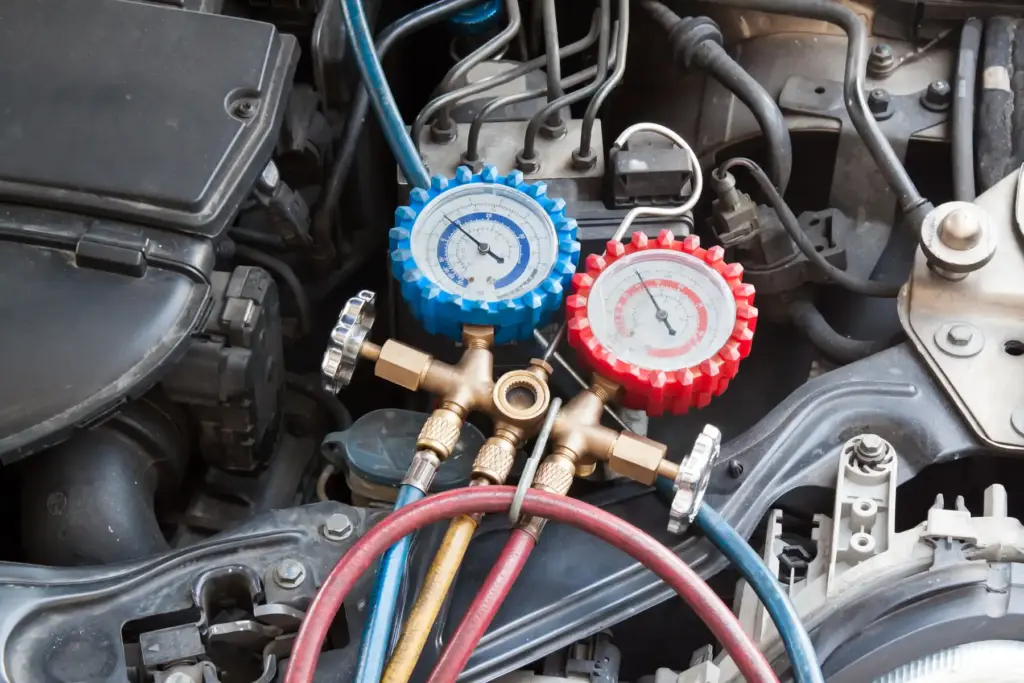
Instead of guessing, rely on proper vehicle diagnostics. During a routine preventative maintenance visit, our technicians use specialized multimeters and load testers to measure the exact voltage output of your battery and alternator, pinpointing the precise point of failure.
Trust FloState for Auto Electrical Repair in St. Cloud, FL
Modern vehicles—especially highly advanced European cars and heavy-duty diesel trucks—rely on incredibly complex electrical systems. If you are experiencing starting issues, erratic dashboard lights, or a parasitic battery drain, do not ignore it until you are stranded in a parking lot.
At FloState Auto Diesel Repair, our ASE Master Certified technicians have the tools and expertise to properly diagnose and fix any electrical issue, ensuring your vehicle is reliable no matter how hot the Florida summer gets.
Click here to schedule your appointment today or give us a call at (407) 498-4204!