
Brake Repair in St. Cloud: 5 Warning Signs You Should Never Ignore

Navigating the roads of Central Florida requires absolute confidence in your vehicle. Between the unpredictable stop-and-go tourist traffic on US-192, the high speeds of the Florida Turnpike, and our notorious sudden afternoon thunderstorms, your ability to stop safely is challenged every single day.
Despite how critical the braking system is, it is incredibly common for drivers to ignore the early warning signs of brake wear. Turning up the radio to drown out a squeaking noise might offer temporary peace of mind, but it inevitably leads to catastrophic component failure and much more expensive repair bills down the line. At FloState Auto Diesel Repair, we prioritize your family’s safety above all else. If you are searching for reliable brake repair in St. Cloud, here is a comprehensive guide to understanding how your brakes communicate with you and why you should never delay service.
How Your Braking System Actually Works
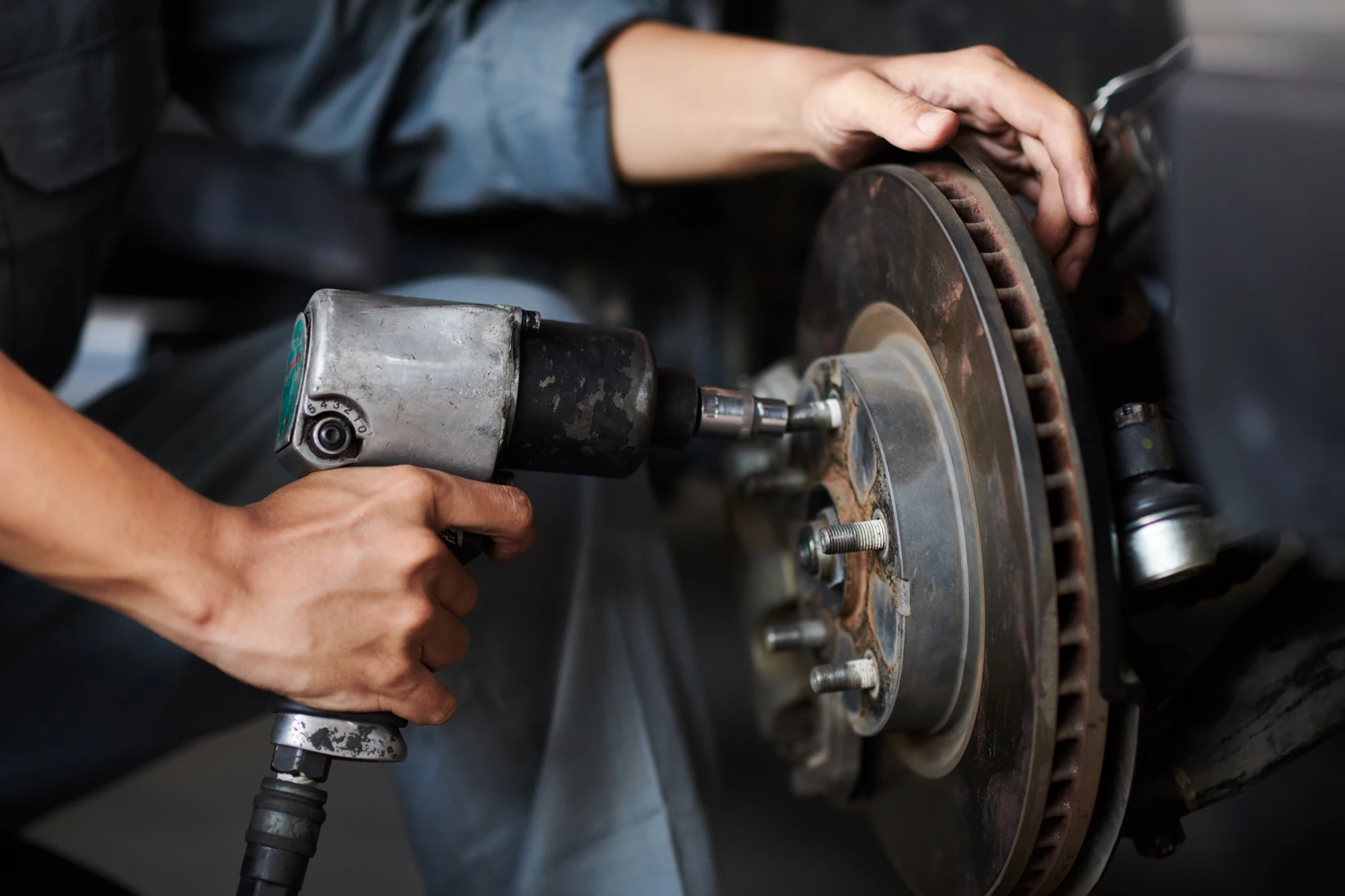
To understand why brakes fail, it helps to know how they function. Most modern vehicles use a disc brake system on the front wheels (and often the rear as well). When you press the brake pedal, hydraulic fluid travels through the brake lines, forcing a set of heavy-duty calipers to clamp down. These calipers hold your brake pads, which squeeze against a spinning metal disc called a rotor.
The intense friction between the brake pad and the rotor is what slows your heavy vehicle down. This process generates massive amounts of heat—sometimes exceeding 400 degrees Fahrenheit. Over time, that constant friction and intense heat physically wear away the friction material on the brake pads and can even warp the metal rotors.
5 Undeniable Signs You Need Brake Repair
According to automotive safety guidelines published by AAA, proactive brake inspections are the only way to ensure optimal stopping power. If you experience any of the following symptoms during your daily commute, it is time to schedule a diagnostic appointment immediately:
1. High-Pitched Squealing or Chirping
This is usually the very first sign of trouble, and it is entirely intentional. Most modern brake pads are manufactured with a small metal tab called a wear indicator. When your brake pad friction material wears down to a dangerously thin level (usually around 2/32 of an inch), this metal tab is exposed and scrapes against the rotor, producing a high-pitched squeal. If you hear this noise, you still have time to replace the pads before major damage occurs.
2. Harsh Grinding Noises
If that high-pitched squeak transitions into a deep, harsh grinding noise, you have a serious problem. A grinding sound means the friction material on the pad is completely gone, and the bare metal backing plate of the brake pad is now gouging into your metal rotor. Every time you step on the pedal, you are actively destroying the rotor. When this happens, a simple pad replacement escalates into a much more costly brake repair.
3. Vibrations and Pulsations in the Pedal
If you step on the brakes to exit I-4 and feel the steering wheel shake or the brake pedal pulsate under your foot, your rotors have likely become warped. The intense heat of heavy braking can cause the perfectly flat surface of the metal rotor to become uneven. When the brake pad squeezes against this uneven surface, it causes a vibration that reverberates through the entire chassis of the car.
4. A “Spongy” or Soft Brake Pedal
When you press the brake pedal, it should feel firm and highly responsive. If the pedal feels soft, spongy, or sinks all the way to the floorboard before the car begins to slow down, you have a critical hydraulic issue. This is typically caused by air trapped in the brake lines, a master cylinder failure, or brake fluid that has absorbed too much moisture and is boiling under the heat of friction.
5. Pulling to One Side While Braking
If your vehicle violently jerks or slowly drifts to the left or right only when you apply the brakes, you likely have a seized brake caliper. A seized caliper means the brake pads on one side of the vehicle are clamping down, while the other side is not engaging at all. This creates a severe handling hazard, especially on wet Florida roads.
The Danger of the “Pad Slap”
Many discount auto shops offer incredibly cheap brake jobs, commonly referred to in the industry as a “pad slap.” This means the mechanic simply takes off the old brake pads and throws new ones on without inspecting or resurfacing the rotors.
Because the old rotors are already grooved and glazed from the previous pads, the perfectly flat new pads will not make full contact. This severely reduces your stopping power, causes immediate squeaking, and ensures the new pads will wear out in a fraction of the time. At FloState Auto Diesel Repair, we never compromise on safety. We measure every rotor to ensure it is within safe factory specifications and either resurface it to a perfect finish or replace it entirely.
Specialized Braking for Diesel Trucks and Fleets
While commuter cars are one thing, stopping a heavy-duty diesel truck hauling a loaded trailer requires a completely different level of performance. If you drive a Duramax, Cummins, or Power Stroke, your braking system operates under immense stress. We provide specialized, heavy-duty diesel repair in St. Cloud and comprehensive fleet maintenance, utilizing upgraded friction materials and slotted rotors designed specifically to dissipate high heat and stop heavy loads safely.
Do not wait until a close call forces you to act.
Click here to schedule your brake inspection today or call us directly at (407) 498-4204. Trust the ASE Master Certified experts at FloState Auto Diesel Repair to keep you stopping smoothly and safely.